The Barefoot Revolution: Market Outlook for 2026
As we approach 2026, the global footwear landscape is undergoing a seismic shift. What was once a niche segment for ultra-marathoners and outdoor enthusiasts—minimalist or ‘barefoot’ shoes—is now projected to break into the $600 million mainstream market. This evolution is driven by a fundamental change in consumer values: a move away from over-engineered, chunky soles toward ‘Health-First’ designs that prioritize natural foot movement and bio-mechanics.
3 Key Trends Driving Private Label Growth
1. Sustainability & Bio-Based Materials
The 2026 consumer is not just looking for comfort; they are looking for responsibility. Footwear brands are increasingly demanding bio-based materials—such as algae-based foams, recycled knits, and mushroom leathers. For private label owners, partnering with a barefoot shoes OEM that specializes in sustainable sourcing is no longer an option; it’s a prerequisite for market entry.
2. Functional Design: Wide Toe Boxes & Zero Drop
Foot health is the new wealth. The demand for ‘Wide Toe Box’ designs—which allow toes to splay naturally—is skyrocketing. Combined with a ‘Zero Drop’ profile (where the heel and forefoot are at the same height), these functional elements are becoming the standard for 2026 product lines.
3. The ‘Quiet Luxury’ Aesthetic
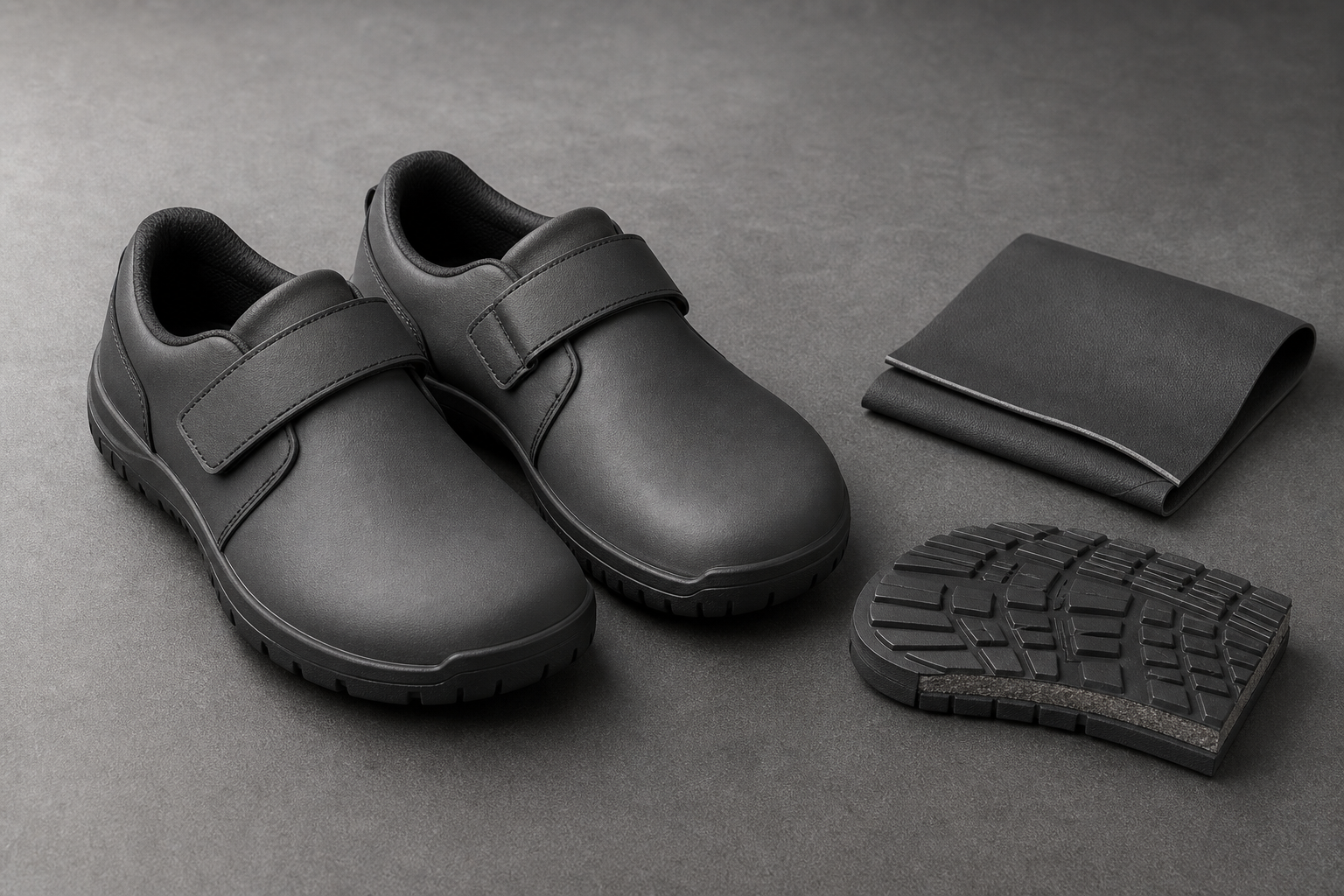
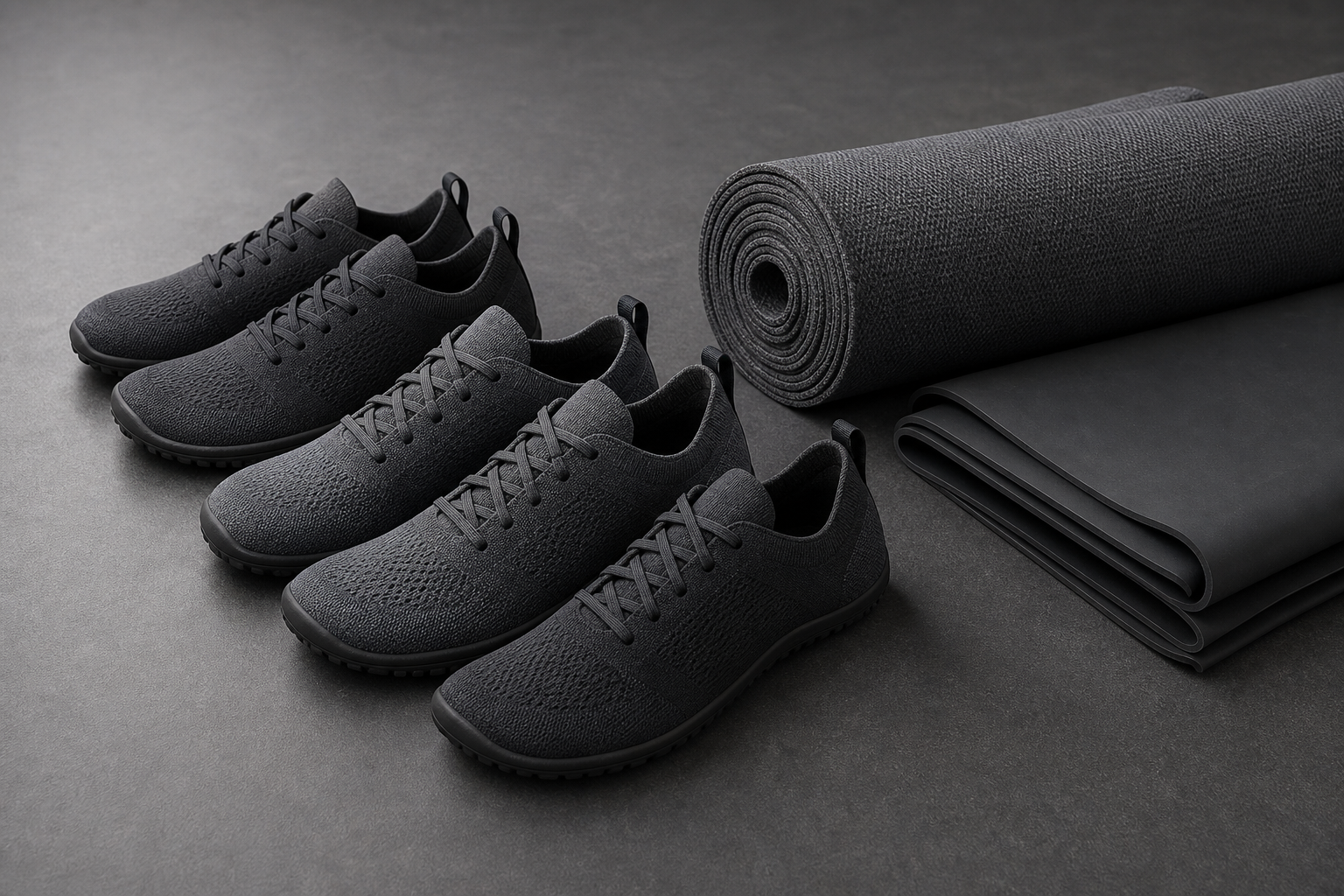
Minimalism doesn’t mean a lack of style. 2026 will see the rise of ‘Quiet Luxury’ in the minimalist space—think high-quality knit runners and premium leather sneakers that work just as well in the boardroom as they do on a light hike. Our ‘Eco-Friendly Knit Barefoot Runner’ is a prime example of this hybrid trend.
Conclusion: Capitalizing on the Minimalist Trend
The window of opportunity for entering the barefoot footwear space is wide open, but the competition is intensifying. Brands that act now to establish their private label presence will lead the market in 2026.