In the rapidly growing minimalist footwear market, your choice of an OEM partner is more than just a procurement decision; it is the strategic foundation of your brand. As consumers become more discerning about foot health and product longevity, a ‘standard’ shoe factory is no longer enough. You need a specialist. Selecting the right barefoot shoe manufacturer in China requires looking beyond the price per pair and diving into technical capabilities and quality benchmarks.
Standard 1: Sole Flex & Durability Test
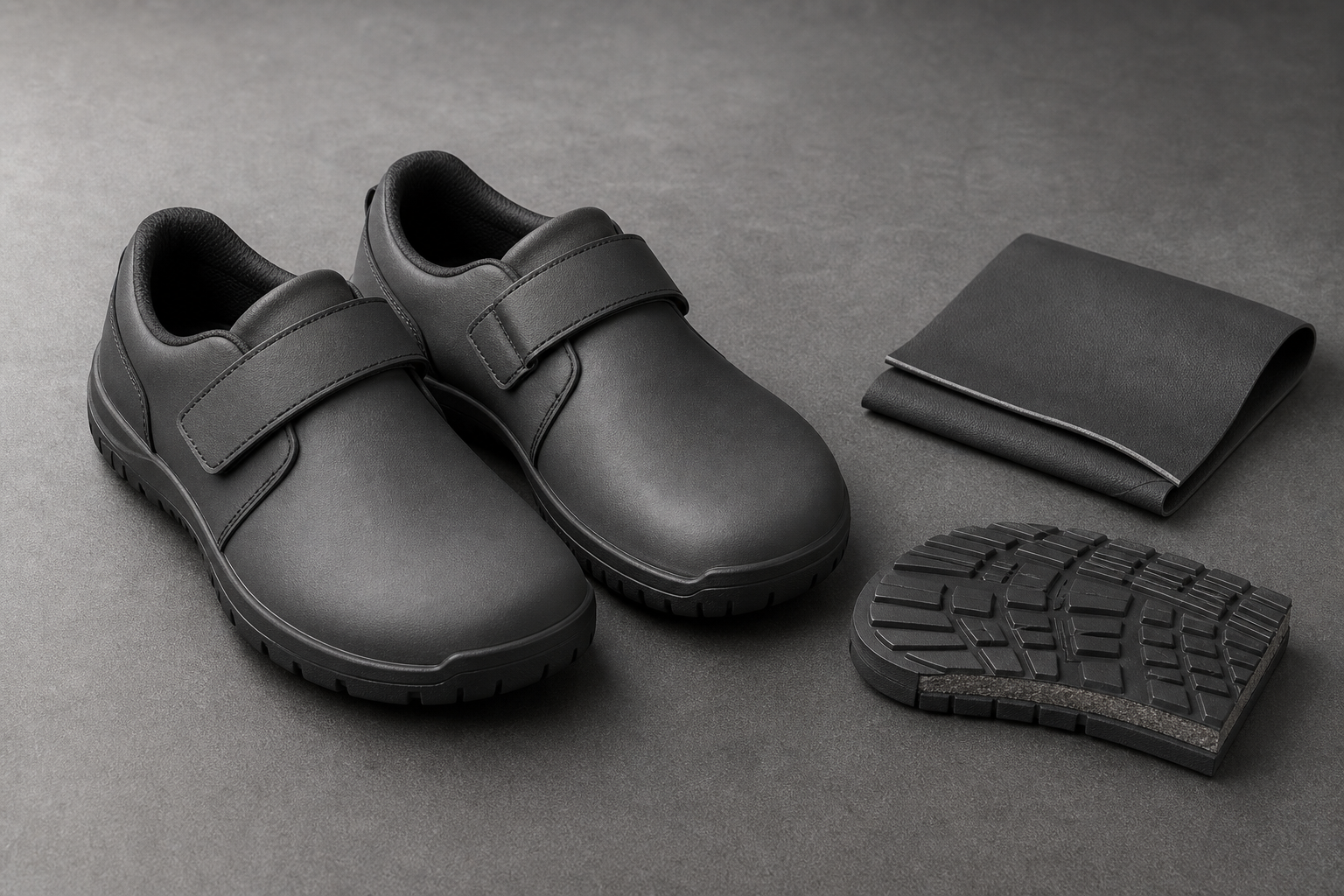
Barefoot shoes are defined by their thin, flexible soles. However, thinness must not come at the expense of durability. A world-class barefoot shoe factory should subject their outsoles to rigorous flex tests. The industry benchmark for a premium minimalist shoe is 50,000 cycles without cracking or losing integrity. At Jinchen, our specialized rubber compounds are tested for both high-abrasion resistance and maximum proprioception, ensuring your customers feel the ground without wearing out the shoe.
Standard 2: Toe Box Width Consistency
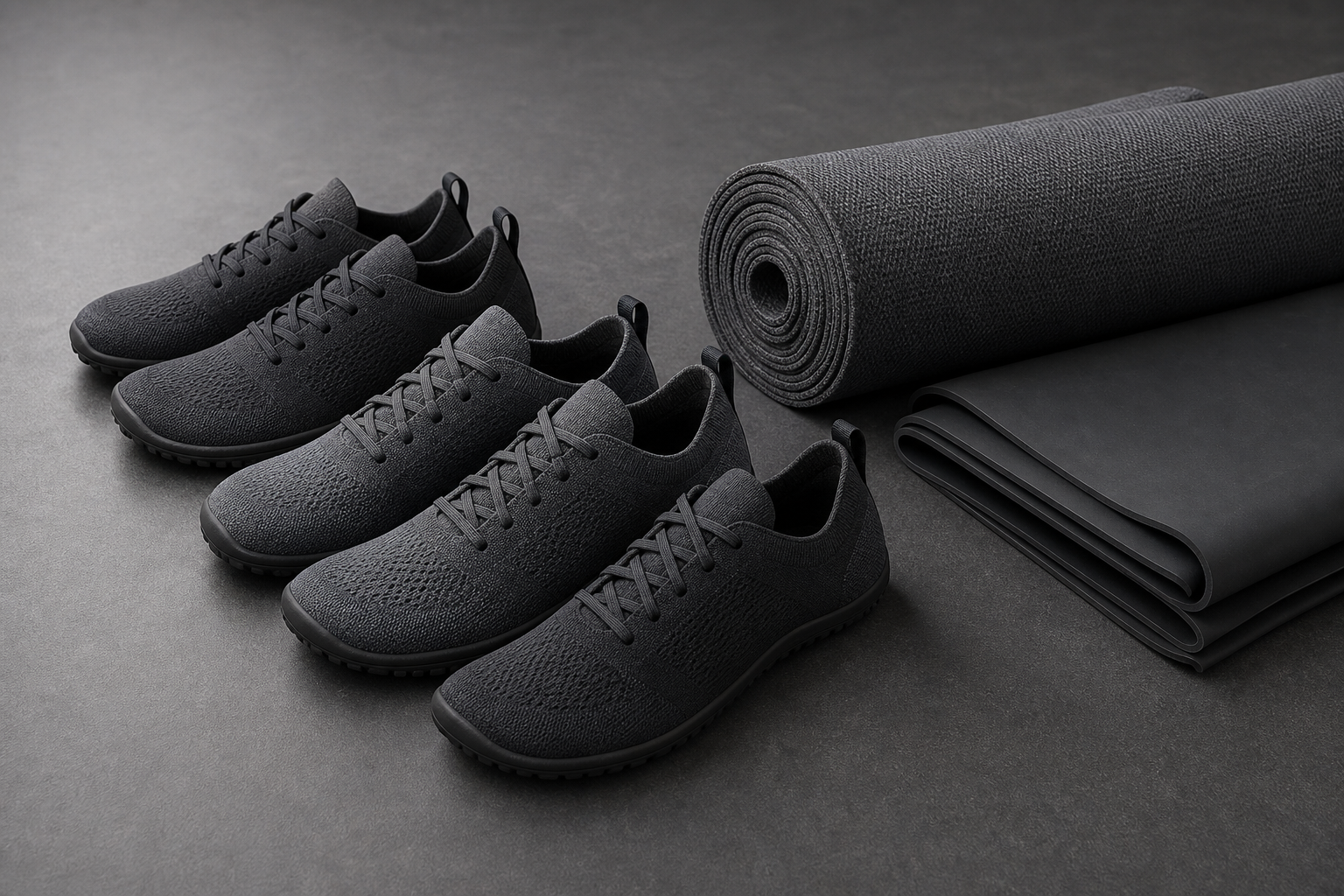
The essence of the ‘barefoot’ experience is the anatomical toe box. A common failure in lower-tier factories is the inconsistency of widths across sizes due to poor lasting techniques. Your manufacturer must use anatomically correct shoe lasts that allow for natural toe splay. Consistency is key—every pair must match your specific design specs to avoid high return rates from customers seeking that perfect ‘natural’ fit.
Standard 3: Sustainable Sourcing (GRS/FSC)
By 2026, sustainability is a mandatory compliance requirement. Look for a manufacturer that is certified in Global Recycled Standard (GRS) and Forest Stewardship Council (FSC). Whether it is recycled PET for the uppers or bio-based foams for the footbed, your supplier should have a transparent supply chain that helps your brand meet its ESG goals and appeal to eco-conscious consumers.
Standard 4: Low MOQ Prototyping
The ability to iterate quickly is a massive competitive advantage. A manufacturer that offers low-MOQ (Minimum Order Quantity) prototyping allows you to test new designs in the market without the risk of massive inventory overhead. Rapid sampling—getting a physical prototype in your hands within 7-10 days—is essential for keeping up with fast-moving footwear trends.
Standard 5: Technical Communication Efficiency
Cultural and technical alignment is often the silent killer of OEM partnerships. Your partner should speak the language of technical footwear—understanding zero-drop offsets, stack heights, and material densities. Efficient communication reduces errors in mass production and ensures that your vision is accurately translated into the final product.
Conclusion: Partnering for Success
Choosing the right manufacturer is about finding a partner who values your brand’s reputation as much as you do. By demanding these 5 standards, you ensure your minimalist shoes stand out in a crowded market.