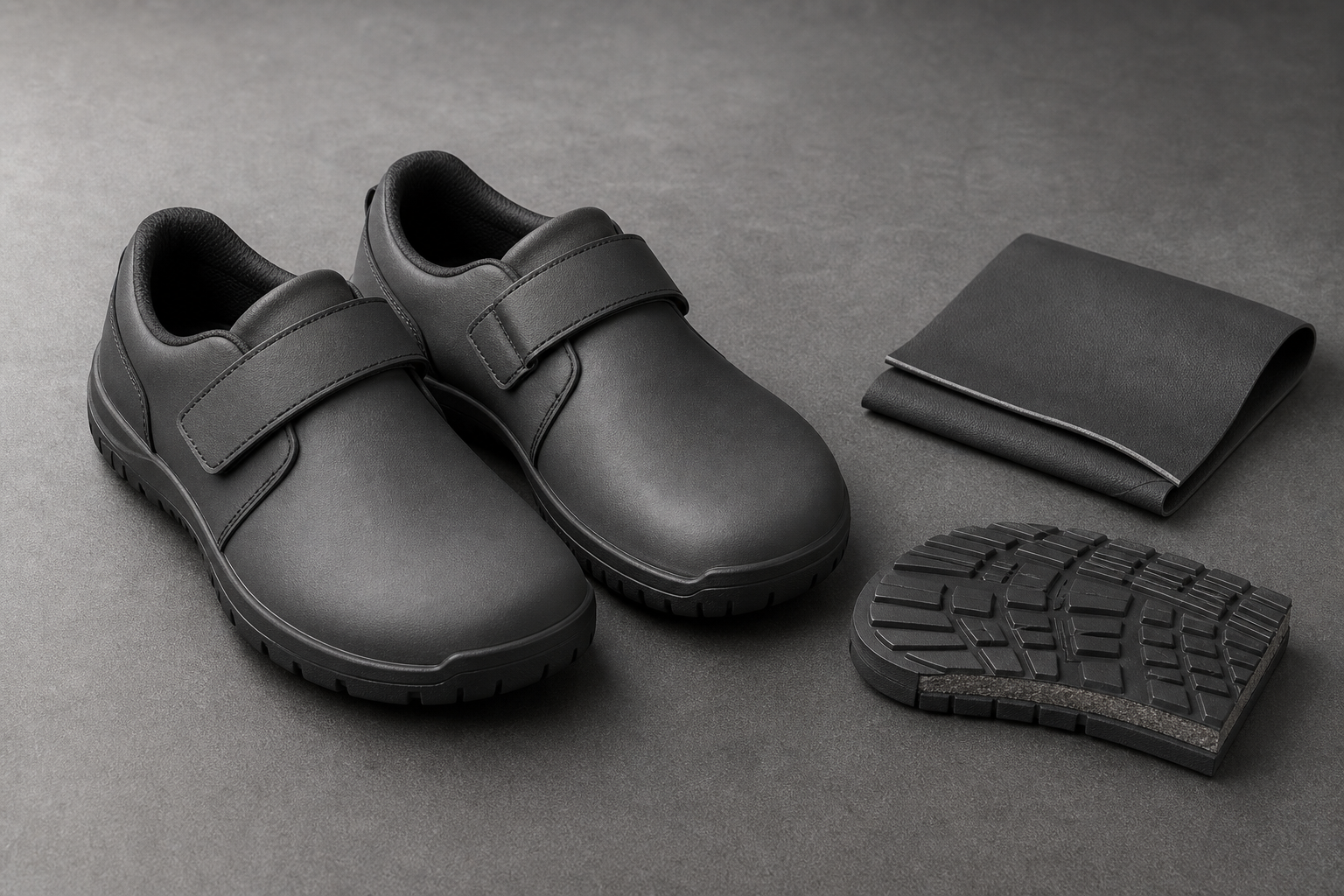
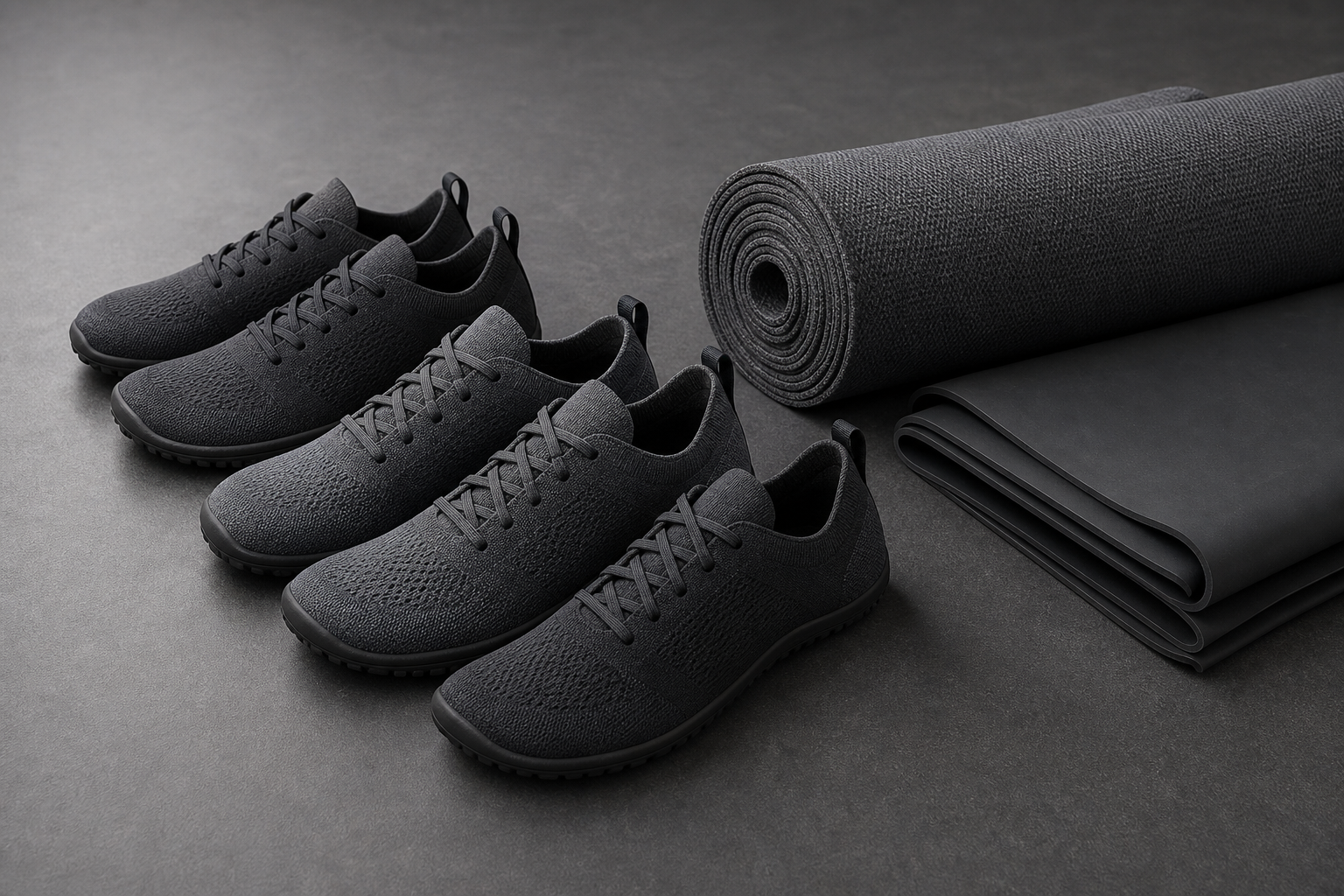
Rain or Shine: The Engineering of Waterproof Barefoot Shoes
“Barefoot shoes are great… but what about when it rains?” It’s the most common objection minimalist brands hear from potential customers—and for years, it was a legitimate one. Waterproofing and ground-feel seemed fundamentally incompatible. In 2026, that excuse is gone. Advances in breathable membrane technology and seam-sealing processes have finally made it possible to deliver a fully waterproof barefoot shoe that still flexes naturally and lets your feet breathe. For brands that master this category, the payoff is a year-round customer who never switches back to conventional footwear.
The Waterproof Paradox: Sealing Out Water Without Sealing In Sweat
The engineering challenge of a waterproof barefoot shoe is a paradox: you must create a barrier impermeable to outside water, yet permeable to inside moisture (sweat vapor). Standard waterproofing techniques—thick PVC coatings or rubber shells—solve the first problem by creating a sweaty, stiff mess. The solution used in advanced all-weather minimalist footwear manufacturing is a breathable waterproof membrane:
- Microporous Structure: Millions of microscopic pores per square inch, smaller than a raindrop but larger than a vapor molecule.
- Hydrostatic Head Rating: A rating of 10,000mm+ means water cannot penetrate under extreme pressure.
- Moisture Vapor Transmission (MVTR): A rating of 8,000g/m²/24h ensures sweat escapes, keeping feet dry from the inside out.
Layering Strategy: Protecting the Sole Where Rubber Meets Rain
The upper is only half the battle—water also enters through the sole and its seams. Our waterproof barefoot shoe engineering uses a three-layer defense:
- Sealed Membrane Layer: A full-bootie membrane wrapping the entire foot, including the heel and tongue.
- Seamless Welding: Taped and welded seams eliminate needle holes—the classic leak point in budget waterproof shoes.
- Water-Resistant Outsole Edge: A hydrophobic coating and closed-cell foam in the midsole prevent water wicking through the rubber edge.
Ground Feel Preservation: The 4mm Sensory Compromise Solved
The old rule was: add waterproofing, lose ground feel. Modern material science has broken this trade-off. By placing the membrane directly beneath a 3-4mm high-density outsole, we retain 90%+ of the sensory feedback of a standard barefoot shoe. The key is membrane placement: too high and it bunches; too low and it abrades. Our precision lamination process anchors the membrane to the exact flex line, keeping the shoe supple through thousands of steps.
The 2026 Market Opportunity: All-Season Barefoot Adoption
Waterproofing removes the final barrier to full-year barefoot adoption, and with it, a major commercial opportunity:
- Extended Sales Season: Minimalist brands traditionally peak in summer; waterproof lines capture fall and winter revenue.
- Higher Perceived Value: Waterproof products justify a 15-25% price premium in consumer perception.
- Broader Use Cases: Commuters, parents, and outdoor workers—segments previously excluded from the category.
Conclusion: Own the All-Weather Category
The brands that own the waterproof barefoot category in 2026 will not just survive the fall season—they will capture the entire year. By partnering with an OEM that has solved the waterproof-ground-feel paradox, your brand can promise customers: rain or shine, your feet stay dry, free, and connected to the ground.