Fit First: The Technical Guide to Anatomical Sizing in Barefoot Shoe OEM
In the world of online footwear sales, one metric quietly destroys more brand profitability than any other: the return rate. Industry data shows that footwear consistently ranks among the highest-return product categories, with ill-fitting shoes driving most of the pain. For barefoot shoe brands, the stakes are even higher—anatomical fit is the core promise of the product itself. If the toe box is too narrow or the last is inconsistent across sizes, you’re not just losing a sale; you’re damaging the credibility of the entire minimalist movement. Mastering fit is the single most profitable investment a private label brand can make.
The Barefoot Sizing Paradox: Traditional Systems Don’t Apply
Most consumers (and many brands) assume that footwear sizing is universal. The reality is starkly different. Traditional shoes are built on lasts that compress the foot to fit an aesthetic ideal, which means their sizing charts are calibrated for that compression. Barefoot shoes, by contrast, are built on anatomical lasts that follow the foot’s natural shape. This creates a ‘sizing paradox’: a customer who wears a US 9 in a conventional shoe may need a US 9.5 or even 10 in a wide-toe-box anatomical design. Brands that fail to educate customers on this difference will face chronic return rates regardless of product quality.
The Anatomy of a Precision Fit: What OEM Engineering Must Control
A high-quality anatomical fit is not accidental—it is engineered. As a specialized anatomical fit system OEM, we control five critical dimensions on every last:
- Toe Box Width & Volume: Measured at the widest point of the splay zone, engineered for natural toe extension.
- Heel Grip Geometry: A snug, sculpted heel pocket that prevents slippage without pinching.
- Instep Height: Adequate vertical room to avoid pressure on the top of the foot.
- Ball-of-Foot Girth: The flex line must align precisely with the natural metatarsal hinge.
- Length Allowance: 5-10mm of toe room beyond the longest toe, standard for foot function.
The Multi-Size Consistency Challenge
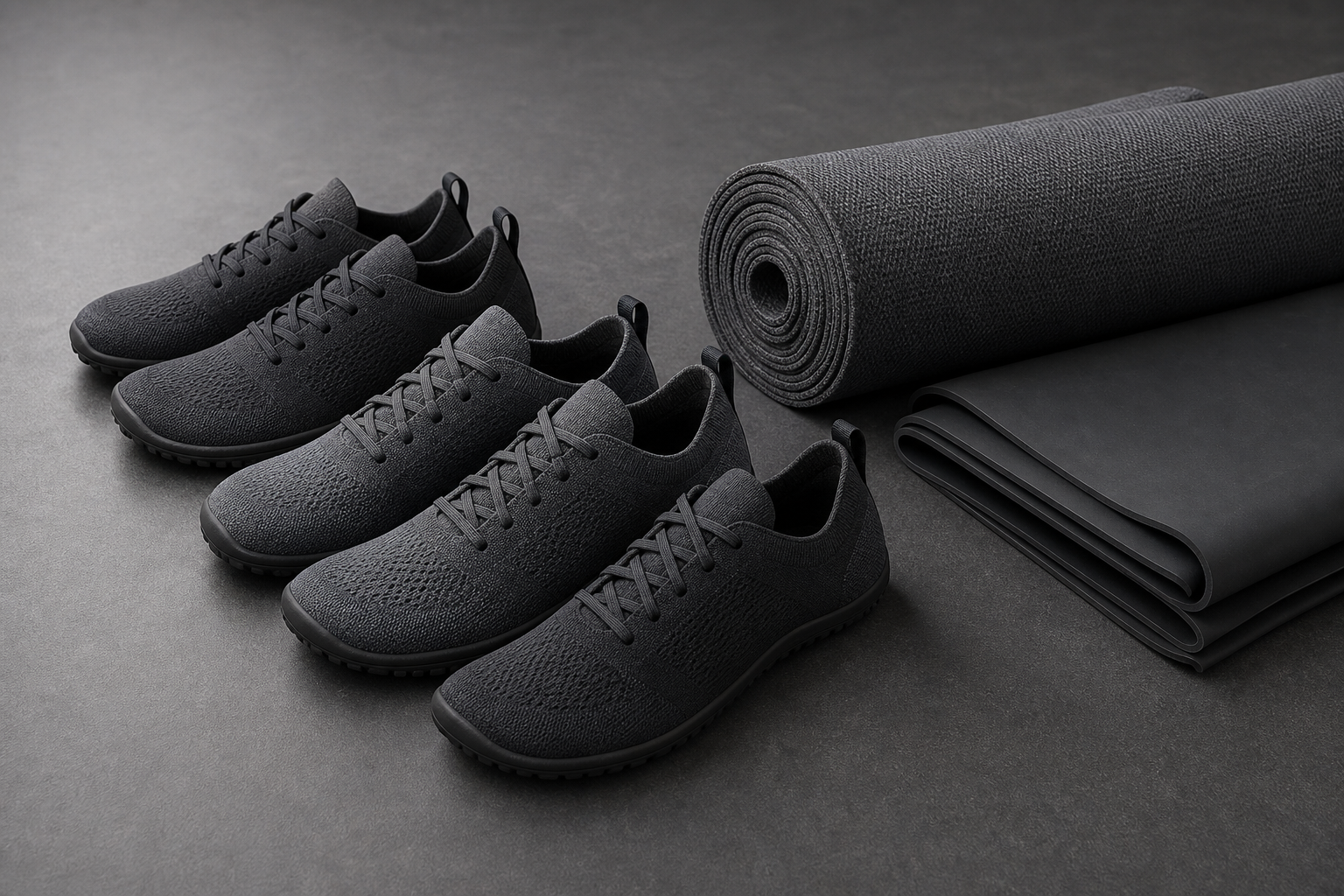
The true test of an OEM’s engineering capability is not building one perfect last—it’s building a full size run that maintains proportional accuracy from EU 35 to EU 46. Grading errors are the hidden source of ‘the same size fits differently in different colors’ complaints. Our precision grading system uses digital 3D scaling to ensure that every size maintains the exact same relative proportions, eliminating the size-to-size inconsistencies that plague lower-tier factories.
Beyond the Last: A Complete Fit Ecosystem
Fit extends beyond the physical last. A complete fit ecosystem includes:
- Fit Guides: Clear, brandable content that teaches customers how to measure their feet (not their shoes).
- Half-Size & Wide Options: Offering width variants reduces fit-related returns by up to 40%.
- Consistent Production QC: In-line checking of every pair against calibrated lasts.
Conclusion: Turn Fit into Your Brand’s Competitive Moat
In a market where competitors compete on buzzwords, fit is a moat that’s difficult to copy. By partnering with an OEM that treats anatomical sizing as a science, your brand can promise—and deliver—a fit that feels custom-made. Lower returns, higher repeat purchase rates, and glowing reviews are the direct commercial rewards of getting fit right.