From Inquiry to Mass Production: How to Vet a Barefoot Shoe Manufacturer
Choosing a manufacturing partner is the single highest-stakes decision a footwear brand makes. Get it right and you gain a moat: proprietary construction, faster launches, better margins. Get it wrong and you inherit stockouts, rising return rates, and a brand reputation you can’t repair with marketing. Yet most brands vet suppliers with a handful of emails, a price quote, and hope. This guide replaces hope with a checklist—the same seven points our own clients use when they audit us.
The 7-Point Vetting Checklist
1. Technical Depth: Can They Develop, or Only Assemble?
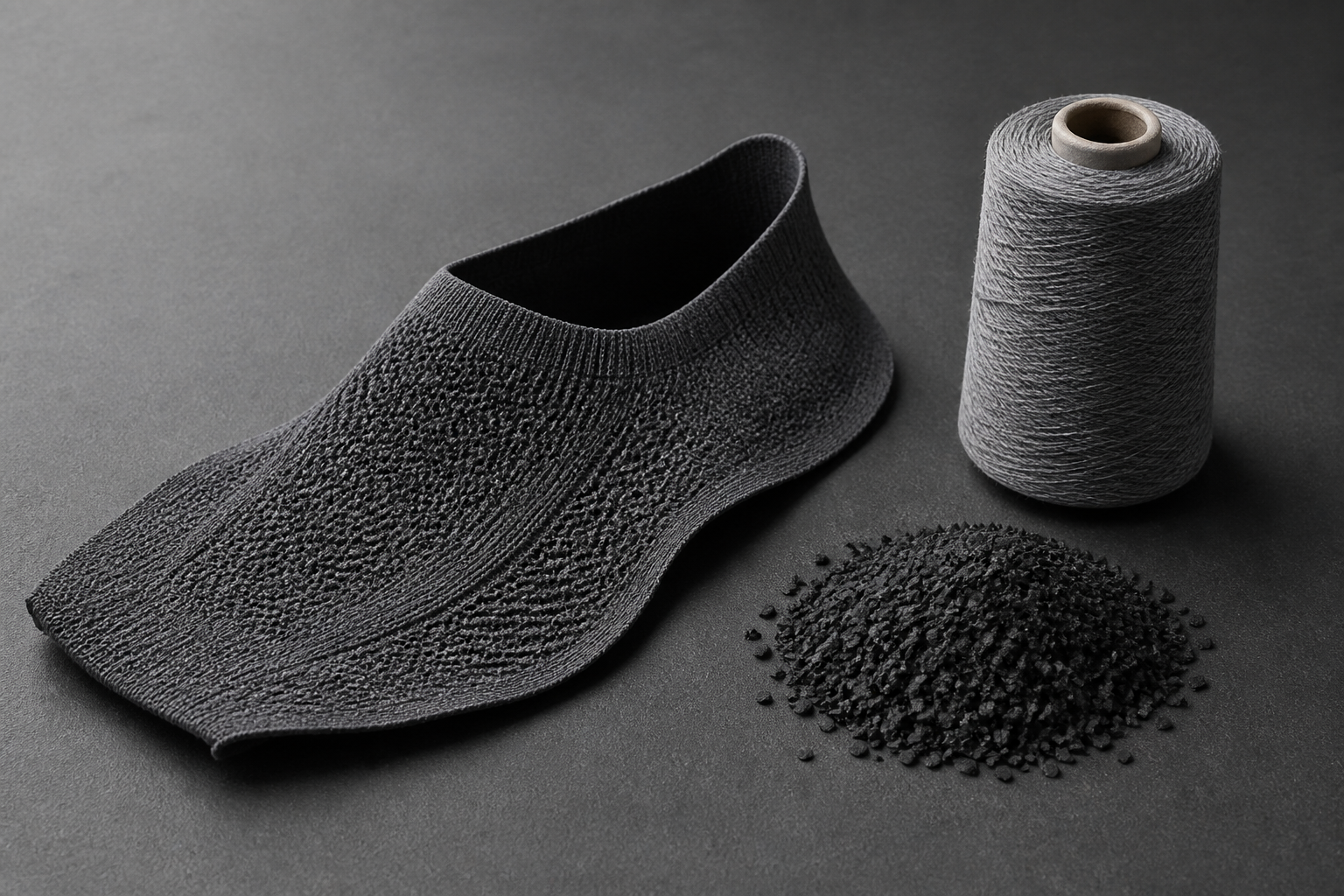
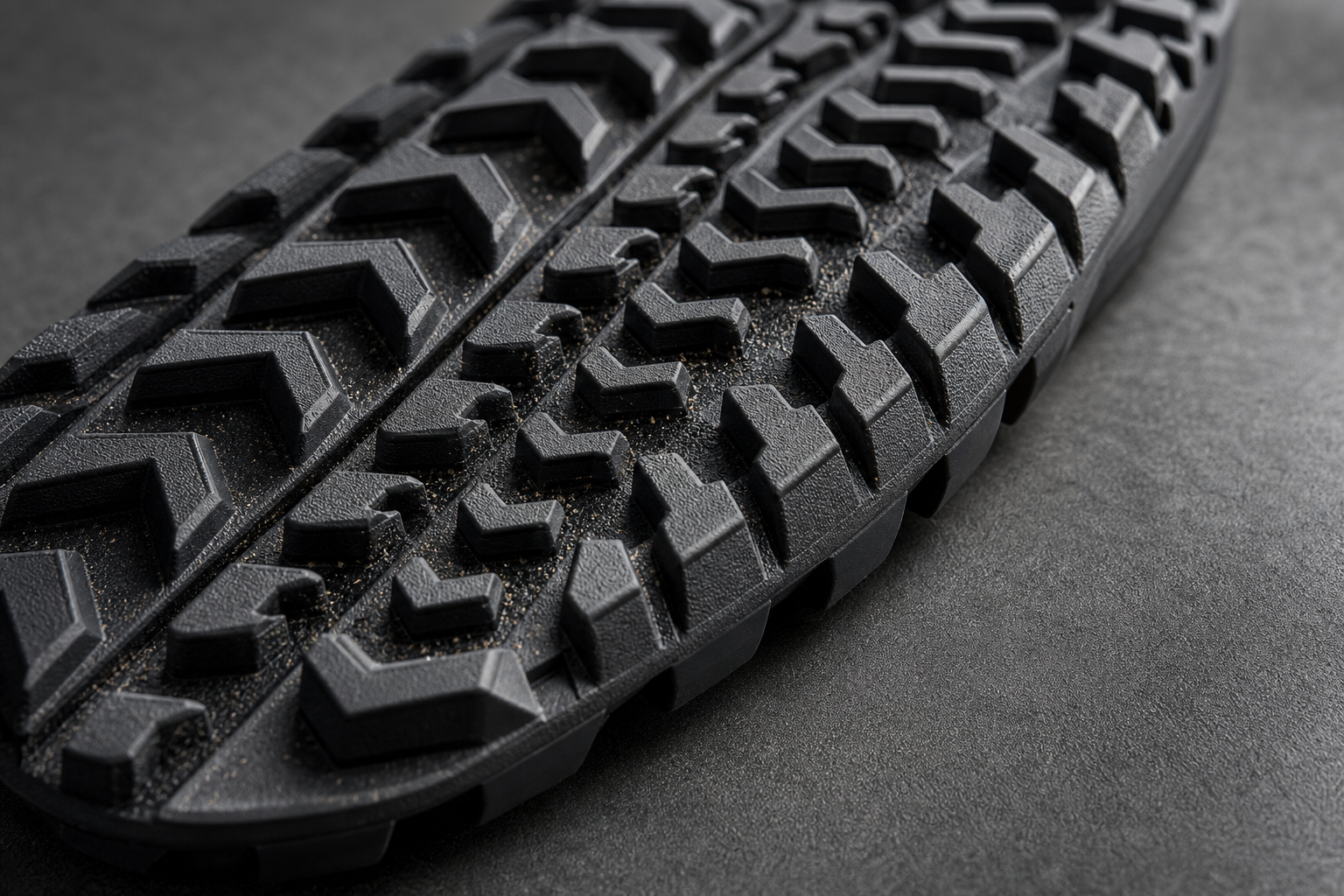
The first question is not “can you make shoes?” It’s “can you engineer them?” Distinguish between a factory that can develop a last from scratch, program a 4D knit upper, and tune a multi-density outsole—versus one that only assembles components sourced elsewhere. Ask for evidence: last development files, knit programming samples, outsole compound specs. If a supplier can’t show you development capability, you are renting their capacity, not building your product.
2. Sampling Capability and Speed
Sampling is where you learn how a factory really works. Ask: What is your standard sample lead time? How many revision rounds are included? Who owns the tooling and the last? A capable partner samples in weeks, welcomes revisions, and treats sampling as joint development. A weak one quotes months, charges for every change, and blames you for the delays.
3. Test Data and Documentation
Claims without numbers are marketing. A qualified manufacturer should provide test documentation on request: DIN abrasion scores for outsoles, Ross Flex results for flex zones, waterproof ratings and moisture-vapor transmission for membrane boots, and material certification records. When a supplier hands you data before you commit to an order, you’re buying engineering rather than promises.
4. Quality Control System
Ask to see the QC protocol, not just hear that QC exists. A professional standard includes multi-point inspection covering visual defects, sole alignment tolerances, flex integrity, adhesion strength, size verification against calibrated lasts, and left-right symmetry. Every pair should be inspectable and traceable by style, size, and batch.
5. MOQ Flexibility and Scalability
Your first order should not require a warehouse-sized gamble. The ideal partner supports a manageable trial MOQ, proves the product with real customers, and then scales with demand—without re-quoting the program from scratch. Ask explicitly: What is your trial MOQ? What is your monthly capacity ceiling? How do you handle a 3x volume increase in one season?
6. Compliance, Materials, and Sustainability Credentials
Material compliance is a legal issue, not a branding one. Confirm the factory sources certified materials (recycled-content and responsibly sourced fibers), can document chemical compliance for your target markets, and can support sustainability claims with traceability. In 2026, brands are expected to prove their claims, not just state them.
7. Communication and Project Management
The most common source of supply-chain pain is not factory capability—it’s communication lag. Evaluate response times, English communication quality, the existence of a named project manager, and how they handle time-zone overlap. A factory that answers within 24 hours with clear technical answers is worth more than one that is 10% cheaper and silent for a week.
Five Red Flags That Should End the Conversation
- Refusing an on-site or video factory audit.
- No test data, no certifications, no documentation on request.
- Prices dramatically below market with no explanation of how.
- No in-house development—everything “outsourced to a partner.”
- Zero sampling process: “we can produce directly from your photo.”
From Sample to Mass Production: What a Real Timeline Looks Like
- Brief and technical review: specs, target cost, materials.
- Last development and pattern engineering: from foot data to a graded last.
- Sampling round(s): fit, wear, and construction validation.
- Approved sample and pre-production confirmation.
- Trial production and QC verification.
- Mass production, inspection, and shipping with tracking.
A disciplined partner runs this process with documented checkpoints and tells you early when something won’t work. That candor is the most valuable signal of all—because a supplier that only ever says “yes” is a supplier that will surprise you at scale.
Why This Matters for Your Brand
In minimalist footwear, your product IS your differentiation, and your manufacturer is the only one who can deliver it. The vetting process above is not bureaucracy—it’s brand protection. Vetted properly, your supply chain becomes a competitive moat. Skipped, it becomes your biggest liability.