Hands-Free Barefoot Shoes: The Accessibility Category Your Brand Is Missing
There is a quiet product revolution happening in footwear, and most brands haven’t noticed it yet. Customers are buying shoes they don’t have to tie. Not because they’re lazy—but because bending down to lace up is genuinely difficult for tens of millions of people. Combine that need with the barefoot category’s natural fit and comfort, and you get one of the most under-served opportunities in the market: hands-free barefoot shoes.
The Customers Nobody Serves Well
The demand for hands-free footwear comes from four distinct groups, and each is growing:
- Older adults: Reduced hip, knee, and hand flexibility makes conventional lacing a daily obstacle. Many avoid shoes that require bending entirely.
- People with limited mobility: Post-surgical recovery, pregnancy, chronic conditions, and orthopaedic issues all make independent dressing a priority, not a preference.
- Children and families with special needs: For children in the autism spectrum or with motor-planning differences, learning to close a shoe can be a genuine developmental hurdle. Parents pay a premium for independence.
- Occupational users: Healthcare staff, site workers, and anyone who takes shoes on and off many times a day—no laces means faster, cleaner transitions.
Traditional footwear brands have treated these customers as an afterthought, offering medical-looking products in limited sizes. That’s a positioning gap, and gaps equal margin.
Why Barefoot and Hands-Free Are a Natural Pair
Here’s the engineering insight most brands miss: barefoot shoes are inherently compatible with hands-free construction. A thin, flexible sole bends with the foot, so the shoe doesn’t need lace tension to feel secure. A wide, anatomical toe box means the foot settles into position by shape rather than by tightening. And a soft, low-profile upper moves with the foot instead of restraining it.
In other words, the barefoot platform removes the very stiffness that made laces necessary in conventional shoes. And on the customer side, the two benefits compound: natural foot function on the inside, independent dressing on the outside. That’s a product story that sells to the customer and to their family.
Four Construction Routes for Hands-Free Design
There is no single way to build a hands-free shoe. Each construction route trades cost, durability, fit tolerance, and aesthetics differently:
- Elastic Lacing: Fixed elastic cords with a sliding toggle. Lowest cost, easiest to integrate, but elastic has a fatigue lifespan and the fit is less adjustable over time.
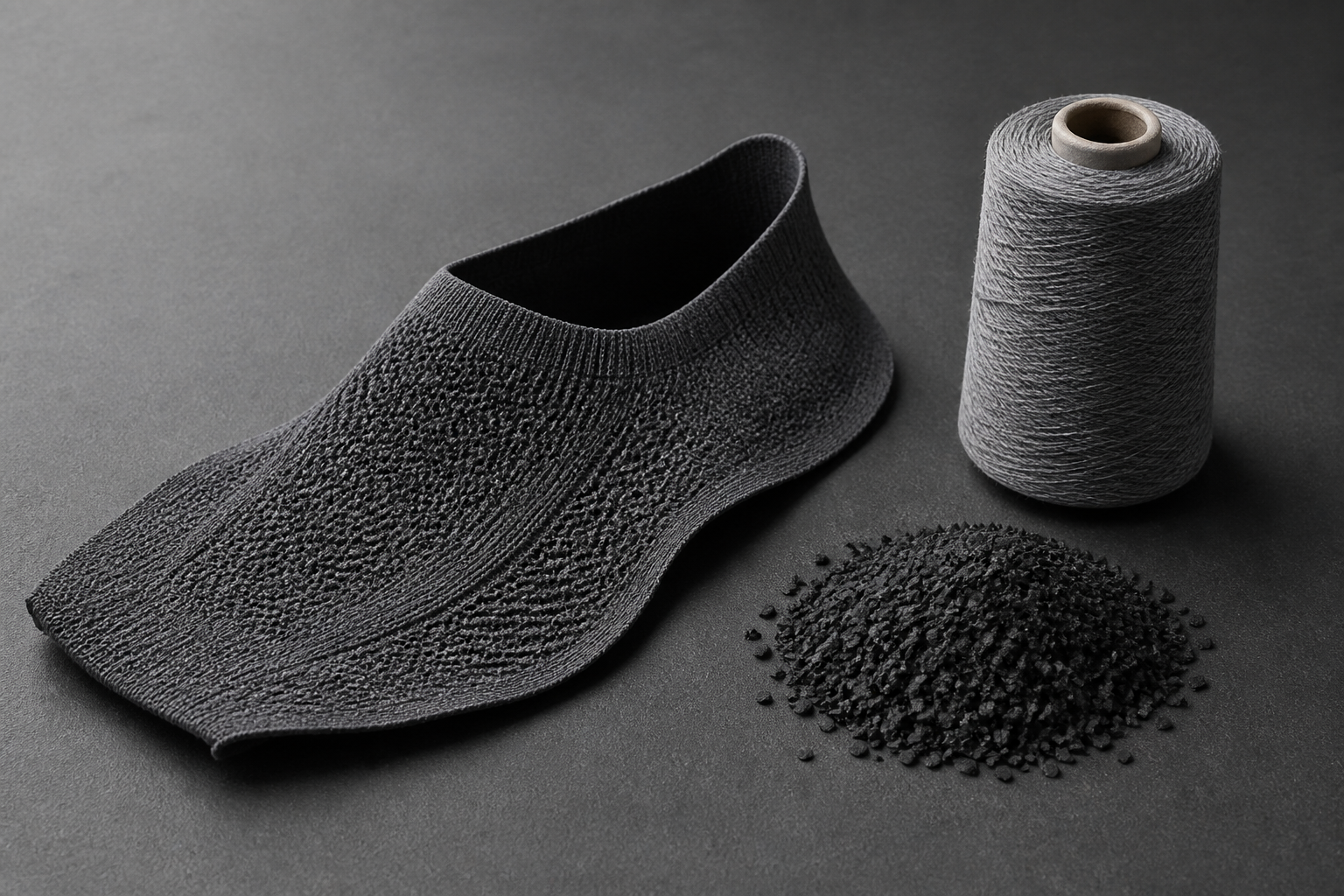
- Stretch-Knit Collar: A seamless knit opening engineered to expand and recover. Excellent comfort and a clean look, but requires precise knit engineering and premium yarns to resist long-term stretch.
- Hook-and-Loop (Velcro) Straps: Highly adjustable, generous fit tolerance, and the most familiar to older customers. Slightly bulkier aesthetically and can accumulate lint and debris.
- BOA-Style Dial Systems: Micro-adjustable, uniform tension, and premium positioning. Highest component cost, with more moving parts to validate for durability and returns.
The right answer depends on your price band, target customer, and channel. A premium performance line may justify a dial system; an accessible everyday model may perform better with a knit collar plus a heel pull.
The Design Challenge: Hands-Free Without Slop
The failure mode of hands-free footwear is the same one that plagues wide toe boxes: freedom in one dimension, instability in another. A shoe that goes on easily can also come off unexpectedly, or allow the heel to slide during push-off. Solving this requires engineering the structure, not tightening the laces:
- Structured heel counter: A firm, anchored counter holds the heel through the gait cycle without lace tension.
- Engineered knit recovery: Knit openings must return to shape after thousands of cycles—yarn and stitch selection matter more than stretch percentage.
- Anatomical last with controlled volume: Fit is achieved through foot shape, so a properly graded last is essential rather than optional.
- Elastic fatigue validation: Repeated cycling tests to confirm the closure still holds after a season of daily use.
This is where a manufacturing partner’s development depth matters most. A hands-free shoe is not a conventional shoe with the laces removed—it’s a different construction logic.
Why This Is a Business Opportunity, Not a Niche
Three dynamics make hands-free barefoot footwear commercially attractive right now:
- Demographic tailwind: Ageing populations across North America, Europe, and East Asia are expanding the addressable market every year—while mobility-focused footwear remains under-designed.
- Low competitive concentration: The category has no dominant brand. Consumer demand has proven itself organically, which means the shelf is still open.
- Exceptional loyalty: Once a customer adopts hands-free footwear—especially for themselves or a family member—returning to laced shoes feels like a downgrade. Retention is structural, not promotional.
Add the barefoot platform’s established health positioning, and you have a product that supports premium pricing with a functional justification customers can verify in five seconds.
Why This Matters for Your Brand
Category leadership is usually won by the brand that shows up before the market is crowded—not by the brand with the biggest media budget. Hands-free barefoot shoes combine two durable trends: natural foot health and independent living. The brands that build a credible product in this space in the next few seasons will own the keywords, the reviews, and the customer relationships.
We develop hands-free constructions across elastic, knit-collar, strap, and dial routes—with structural heel lock, fatigue-tested closure systems, and anatomical lasts engineered for hands-free fit.