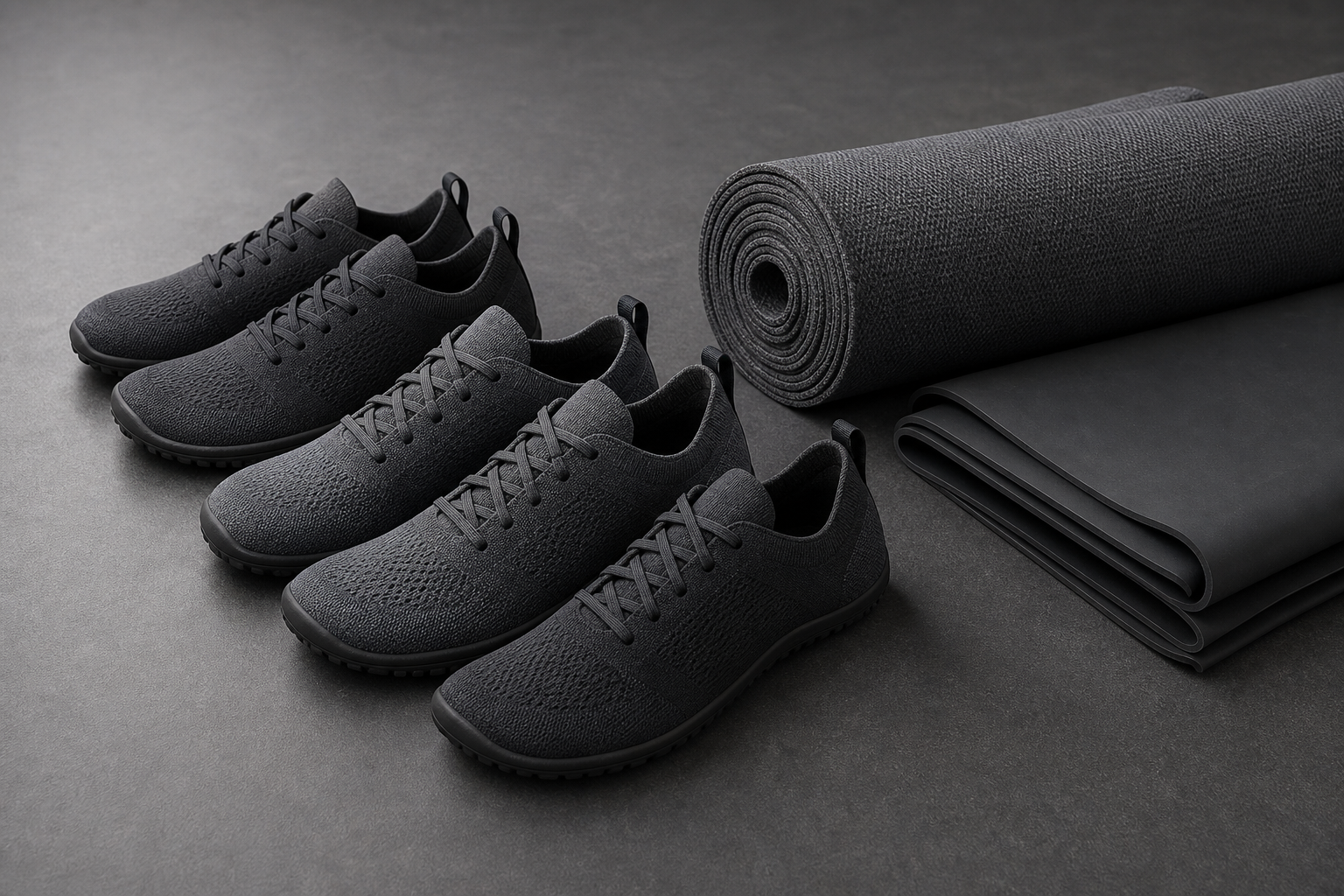

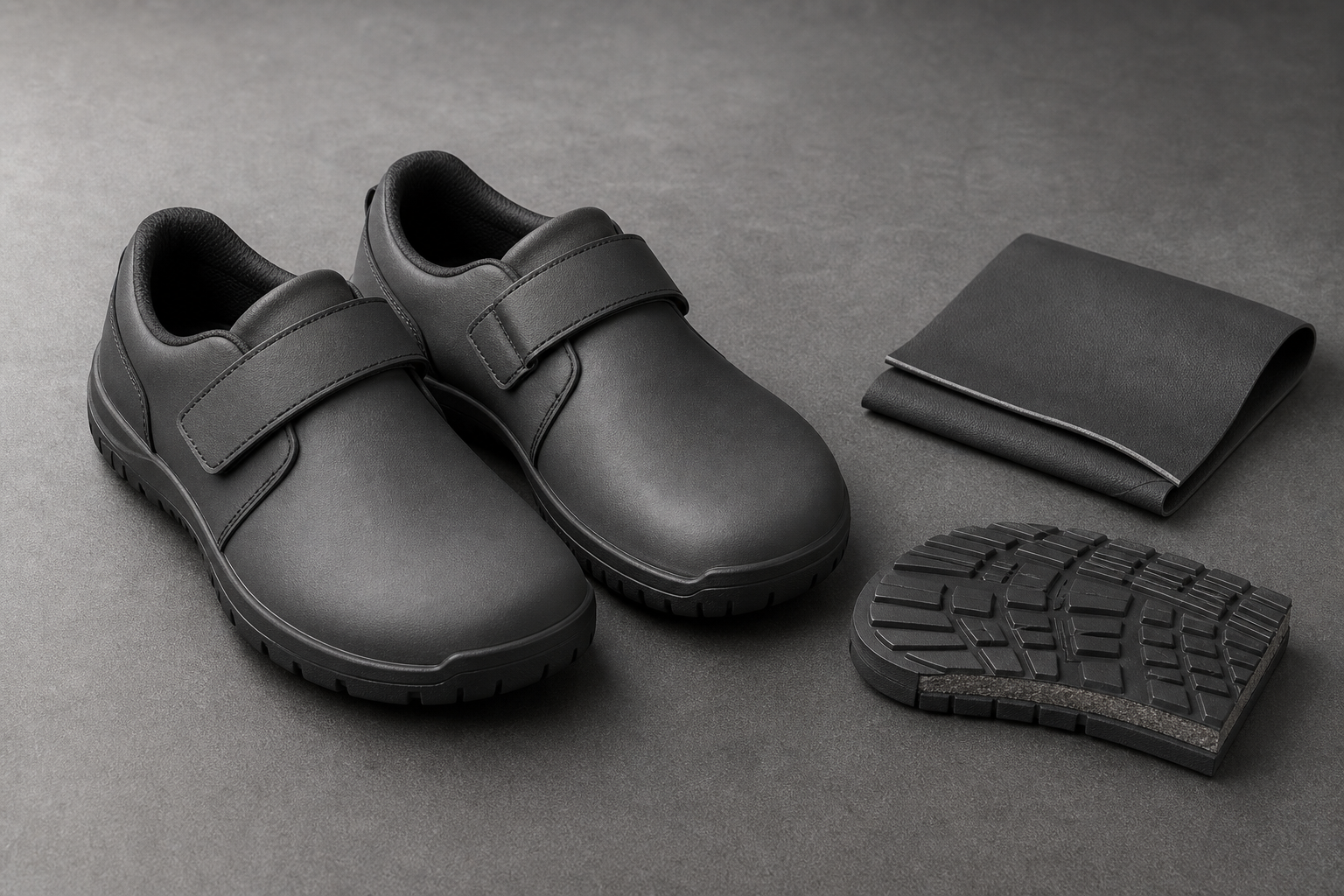
For rapidly growing barefoot shoe brands, balancing product quality, delivery efficiency, and sustainability is critical to scaling. Many international brands rely on small test orders to validate the market initially, but as demand grows, SKUs increase, and sales channels expand, supply chain complexity increases exponentially.
Chinese factories, with flexible production capabilities, mature material supply networks, and continually improving quality systems, have become key partners for small and medium barefoot shoe brands building sustainable supply chains.
Â
1. Why Small and Medium Brands Need to Rethink Supply Chain Sustainability
In recent years, the barefoot shoe market has grown rapidly. Consumers increasingly care about foot health, natural movement, and the benefits of minimalist footwear. Many startups have emerged, facing common challenges:
Difficulty Finding Factories for Small Batches
Most traditional factories only accept large orders and are not interested in MOQ of a few dozen to a few hundred pairs, whereas small brands need rapid sampling and test orders.
Higher Requirements for Product Differentiation
Barefoot shoes require thin yet durable soles, anatomically correct lasts, soft non-supportive materials, and strong flexibility.
Sustainability Is Becoming Mainstream
Consumers increasingly focus on traceable materials, eco-friendliness, durability, and supply chain transparency.
Rising Risks in Global Supply Chains
Post-pandemic, logistics costs, customs risks, and material price increases are common. Small brands need flexible and scalable supply chain partners.
2. How Chinese Factories Become the Best Choice for Small and Medium Brands
As one of the worldâs most mature footwear clusters, China offers unique advantages:
Flexible MOQ Mechanism
 Support 100â300 pair test orders
 Multiple sizes, limited colors
 Rapid sampling, multiple models simultaneously
 Subsequent orders can scale flexibly
Mature Material Supply Chain
Seamless knitted uppers
Natural rubber and zero-drop soles
Microfiber/eco leather
Vegetable-tanned leather, non-toxic dyes
Recycled yarns and sustainable fabrics
Short Lead Times
Samples: 7â14 days
Small batch: 25â35 days
Bulk production: ~45 days
Advanced Quality Control Systems
Structural consistency
Material testing (peel strength, fold resistance, etc.)
Stitching stability
Leather/eco material certification
Third-party inspection (SGS/TĂV etc.)
Transparent and Efficient Communication
Weekly production updates
Photos/videos of production lines
Transparent material sourcing
Clear sampling, design, testing processes
3. Three-Stage Strategy from Test Orders to Scaling
Stage 1: Test Order Phase (0â6 months)
Goal: Validate product, craftsmanship, market, and partnership
Key Activities:
Rapid sampling and functional verification (2â4 rounds)
Small batch orders (100â300 pairs)
Supply chain transparency, test reports, MSDS, eco-certificates
Stage 2: Stabilization Phase (6â18 months)
Goal: Reduce cost, improve consistency, optimize inventory, reduce risk
Key Activities:
Standardized product lines (1â2 main SPUs)
Upgrade materials and craftsmanship for durability
Two-way inventory system with factory
Stage 3: Scaling Phase (18â36 months)
Goal: Build a sustainable, scalable international supply chain
Key Activities:
Optimize cost structure without sacrificing principles
Implement GRS, OEKO-TEX, LWG, ISO environmental systems
Long-term partnership, 24â36 month product roadmap, innovation projects
4. Best Practices for Collaboration
Clear Product Documentation: Tech Pack, BOM, size chart, reference samples, functional notes
Single Point of Contact: All communication centralized
Periodic Evaluation: Every 2â3 months: quality, production, feedback, durability
Shared Transparency: Production videos, material tracking, shipment records, defect reports
Joint Sustainability Roadmap: Recycled fibers, reduce plastic, optimize outsole process, reduce energy, traceable materials
5. Conclusion: Small and Medium Brands Can Also Achieve Sustainable Supply Chains
The key is finding a factory that can support test orders, grow alongside the brand, optimize production, and innovate together.
With mature material ecosystems, flexible production, and sustainability capabilities, Chinese factories can fully serve as long-term partners for small brands scaling from 0 â 1 â 100.
Contact Us
If your brand is looking for:
Flexible MOQ 0â300 pairs
High-quality barefoot shoe OEM/ODM
Sustainable material supply chain
Rapid sampling & transparent communication
Export logistics and customs support
đŠ Email: barefoot@jinchenshoes.com
đ Website:www.jinchenshoes.com