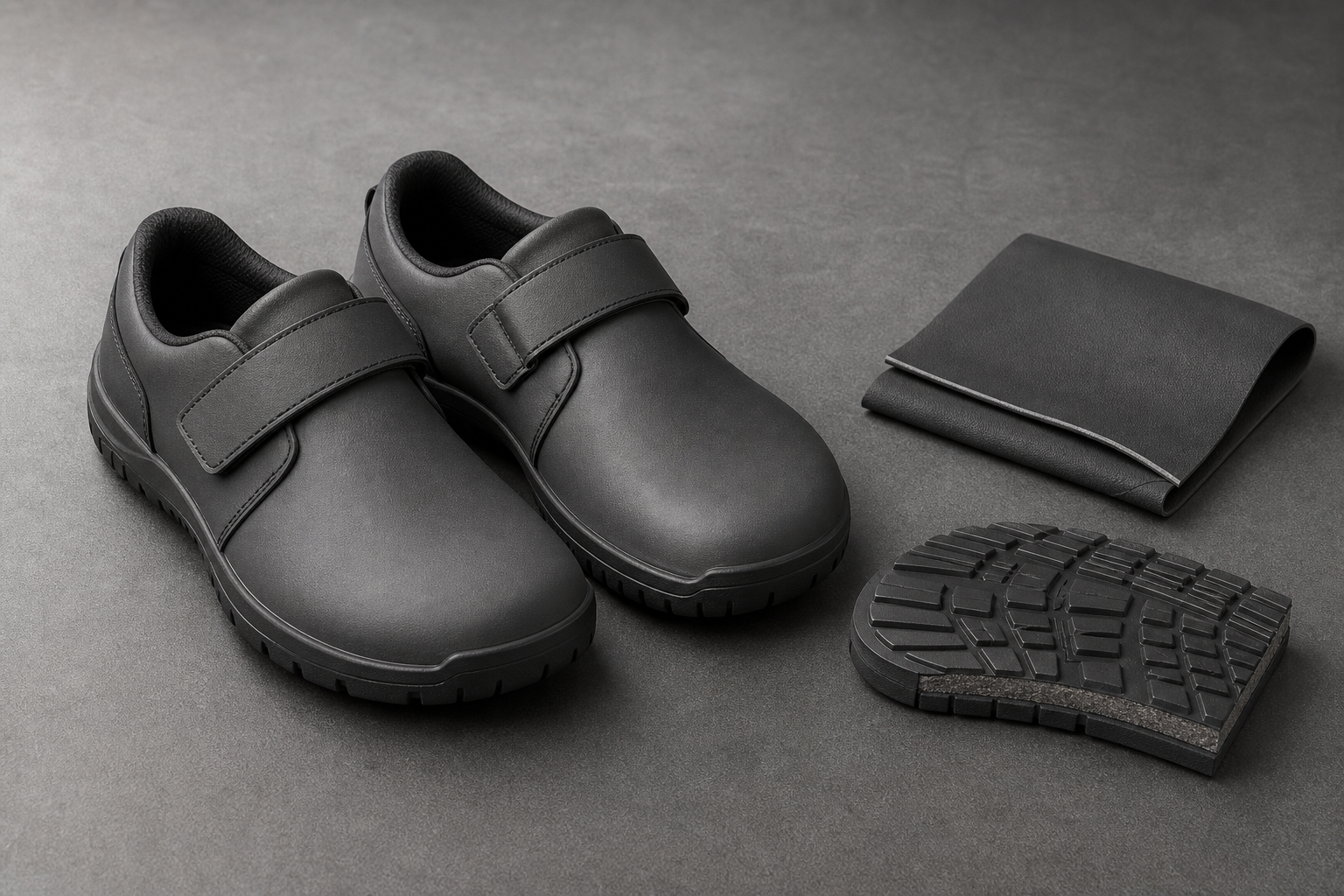
If you walk comfortably in your current shoes and would like to feel more of the surface underfoot, a barefoot-style shoe may be worth trying on a short, familiar walk. If your main complaint is squeezed toes, a wider or deeper forefoot may be the only change you need. If you have reduced sensation, a foot ulcer, or prescribed footwear, discuss a change with your foot-care team first. NHS footwear guidance · NIDDK foot-care guidance.
Which description sounds like your usual walk?
- “I enjoy a thin sole on short neighborhood walks.” Try a flexible pair on a familiar route where you can turn back easily. Notice how gravel, paving seams and slopes feel. A sole that feels good on a smooth shop floor may feel quite different on the way home.
- “My little toe rubs, but I like the cushioning I have.” Start by trying a different toe-box shape with similar cushioning. Look down at the outside edge of the shoe. If it curves inward early, even a style marked “wide” may press on the little toe. NHS guidance on width and toe shape.
- “My walks involve long stretches of hard pavement.” Compare a thin pair with a cushioned pair on a similar surface. If repeated contact feels uncomfortable, it is reasonable to choose more padding. The NHS guidance for people managing foot pain specifically recommends cushioning for hard surfaces. NHS guidance on soles.
How should the first pair fit?
Wear your usual walking socks and try both shoes standing up. Leave about 1 cm beyond your longest toe, which may be the second toe. Check that the upper clears the tops of your toes and that the tip of the shoe follows their outline. Fasten the shoe and take several turns. If the heel slides unless you pull the laces uncomfortably tight, try a different shape. Buying extra length to make room for your toes can leave you with a loose heel. Oxford Health NHS podiatry fit guide.
Who should get individual advice before switching?
Anyone managing diabetes with loss of feeling, a foot wound, or a history of ulcers should ask their foot-care team which shoes provide the protection they need. A pressure spot may cause damage before it feels uncomfortable. If you use prescribed shoes or inserts, bring them to the appointment. The clinician who prescribed them can help assess the depth and protection of a proposed replacement. NIDDK guidance on diabetes and foot problems.
What should I watch for on the first few outings?
Pick a short errand before trying a full commute. Keep your familiar shoes available and check for rubbing when you get home. Before extending the walk, notice how your feet feel later that day and the next morning. If you develop swelling or pain you can point to with one finger, especially if it returns with walking, stop the activity and seek assessment. Pain that makes you limp also deserves attention. American Academy of Orthopaedic Surgeons on bone stress injuries.
If foot strength is what interests you, read what the barefoot walking studies actually measured. If you also plan to run in your new shoes, our footwear transition guide covers that separate decision.