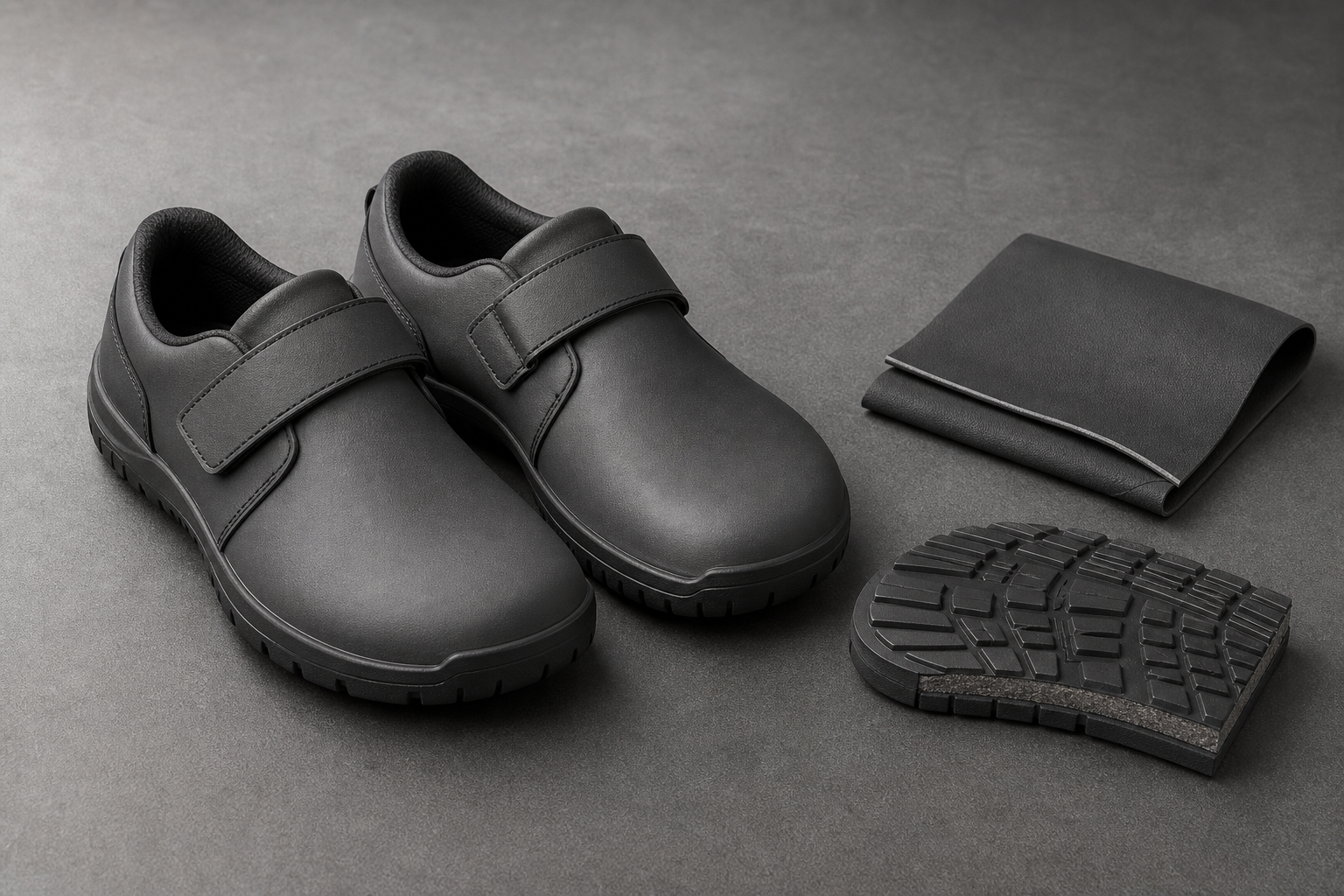
Walking in barefoot-style shoes can strengthen some foot muscles. In studies of adults, researchers measured changes after weeks or months of wear. A different benefit is easier to check on your first walk: whether the shape gives your toes enough room. The evidence for stronger toes tells us much less about whether someone will avoid an injury or get relief from pain. Ridge and colleagues, walking trial · Curtis and colleagues, daily-wear study.
What improved in the walking studies?
In an eight-week randomized trial reported by Sarah Ridge and colleagues, one group of runners gradually added walking steps in minimalist shoes. A second group did foot-strengthening exercises. A third continued its usual routine. The runners kept their usual running mileage. Both the walking group and the exercise group gained muscle size and strength on the researchers’ tests. For someone who already runs, the useful detail is how the participants used the shoes: they walked in them for the intervention. Read the eight-week trial.
A six-month study led by Rory Curtis looked at people using minimal shoes for everyday activities. Participants in the intervention group increased their toe-flexion strength by an average of 57.4%. The test measured how hard the toes could press down at their base. That percentage describes the group’s change on one test. It would be misleading to apply it to whole-body strength, pain relief or an individual pair of shoes. Read the six-month study.
Which benefits can you feel when you try a pair?
Start with the part of your current shoe you want to change. If the little toe rests comfortably in one pair and presses against the side of another, compare the curve of the two toe boxes. If a seam touches the top of your toes, look at depth as well as width. A roomy front and adjustable laces can give the toes space while keeping the heel secure. You can look for those features in both cushioned and minimalist shoes. Guy’s and St Thomas’ NHS footwear guidance.
“Zero drop” describes the difference in height between heel and forefoot. A shoe can be level and still have a thick sole. If you like feeling the texture of the path, compare two pairs on the same surface and pay attention to thickness and flexibility as well. Researchers who developed the Minimalist Index treated drop, sole thickness and flexibility as separate features. Esculier and colleagues, Minimalist Index.
Does stronger mean fewer running injuries?
The walking trials above measured strength. They do not establish that switching shoes prevents running injuries. In a separate ten-week running study, 10 of 19 runners switching to one minimalist model had increased bone marrow edema in at least one foot bone on MRI. This finding was more common in the transition group than in the control group. A strength result from walking is a poor basis for changing your running mileage. Ridge and colleagues, running-transition study.
When comparing a pair for everyday use, ask two questions. Do your toes have room when you stand? Do you enjoy how the sole feels on the surface you actually walk on? For help deciding whether to try a pair, read our everyday walking fit guide.