Thin but Tough: The Engineering Behind Abrasion-Resistant Barefoot Soles
Here’s the objection every minimalist shoe brand eventually faces: “Thin soles don’t last.” It’s the #1 reason skeptical shoppers hesitate, the most common negative review on thin-soled shoes, and the silent killer of repeat purchases. And for many brands, the objection is fair—because not all thin soles are engineered equally. The truth is that thinness and durability are not opposites. They’re two variables that skilled outsole engineering can satisfy at the same time. This is the story of how it’s done.
Why Thin Soles Fail: The Physics of Premature Wear
A thin sole fails for one of three reasons:
- Abrasion: The outsole compound is ground away by constant contact with asphalt, concrete, and grit.
- Tearing: A soft compound that grips well can tear under flex stress, especially at the flex zones.
- Compression: Low-quality foam bottoms out and loses its structure, collapsing the sole’s protective function.
Each failure mode has a distinct engineering answer—and none of them require adding thickness.
The Compound Is the First Defense: Rubber Chemistry, Not Thickness
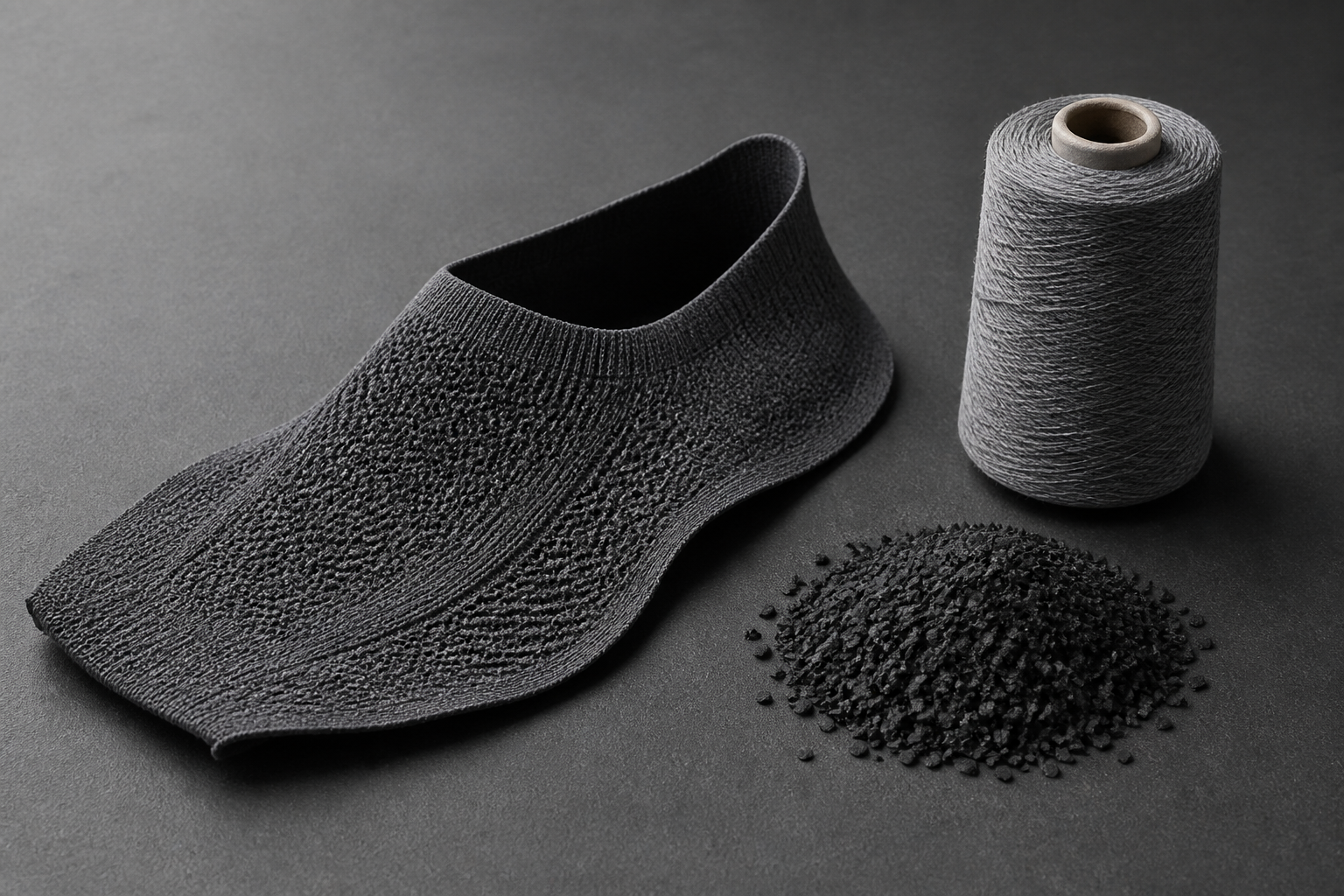
Abrasion resistance starts with the polymer. High-wear natural rubber compounds, reinforced with silica and carbon black, dramatically outperform cheap EVA or low-grade rubber in DIN abrasion tests. The industry benchmark is the DIN 53516 test, which measures volume loss under standardized abrasion. A premium thin-sole compound can post single-digit volume-loss numbers while cheap compounds lose three to four times as much material in the same test.
The skill is balancing three competing demands: abrasion resistance, wet grip, and flexibility. Compound families that lean too hard on hardness for wear resistance become stiff and slippery. The professional solution is a tuned compound that sits at the sweet spot—and a multi-density construction that puts firm, wear-resistant rubber exactly where abrasion happens.
Zoned Durability: Thickness Where It Counts, Thinness Where It Feels
A truly flat 4mm sole is a marketing gimmick that engineers quietly avoid. Real ground-feel soles are multi-density and subtly zoned:
- Heel strike zone: A firmer, wear-resistant rubber patch where impact and scuffing are heaviest.
- Forefoot/ball zone: Reinforced compound under the metatarsal push-off area—the second most abrasive point.
- Flex zones: A supple, tear-resistant formulation at the metatarsal head that flexes millions of times without cracking.
This is how a sole can measure 4-6mm at the stack while still surviving hundreds of miles: the wear happens in zones, so the armor is zoned too.
Testing That Proves It: From DIN Abrasion to Flex Fatigue
Durability claims are only as strong as the tests behind them. The three tests that matter for thin soles:
- DIN 53516 Abrasion: Volume loss under standardized abrasive load.
- Ross Flex Test: Repeated flexing to expose crack initiation and propagation.
- Real-world wear trials: Controlled walk/run trials that correlate lab results with actual street performance.
When an OEM can hand you these numbers before you commit to an order, you’re no longer buying on faith—you’re buying on data.
Tread Design: Protecting the Thin Profile
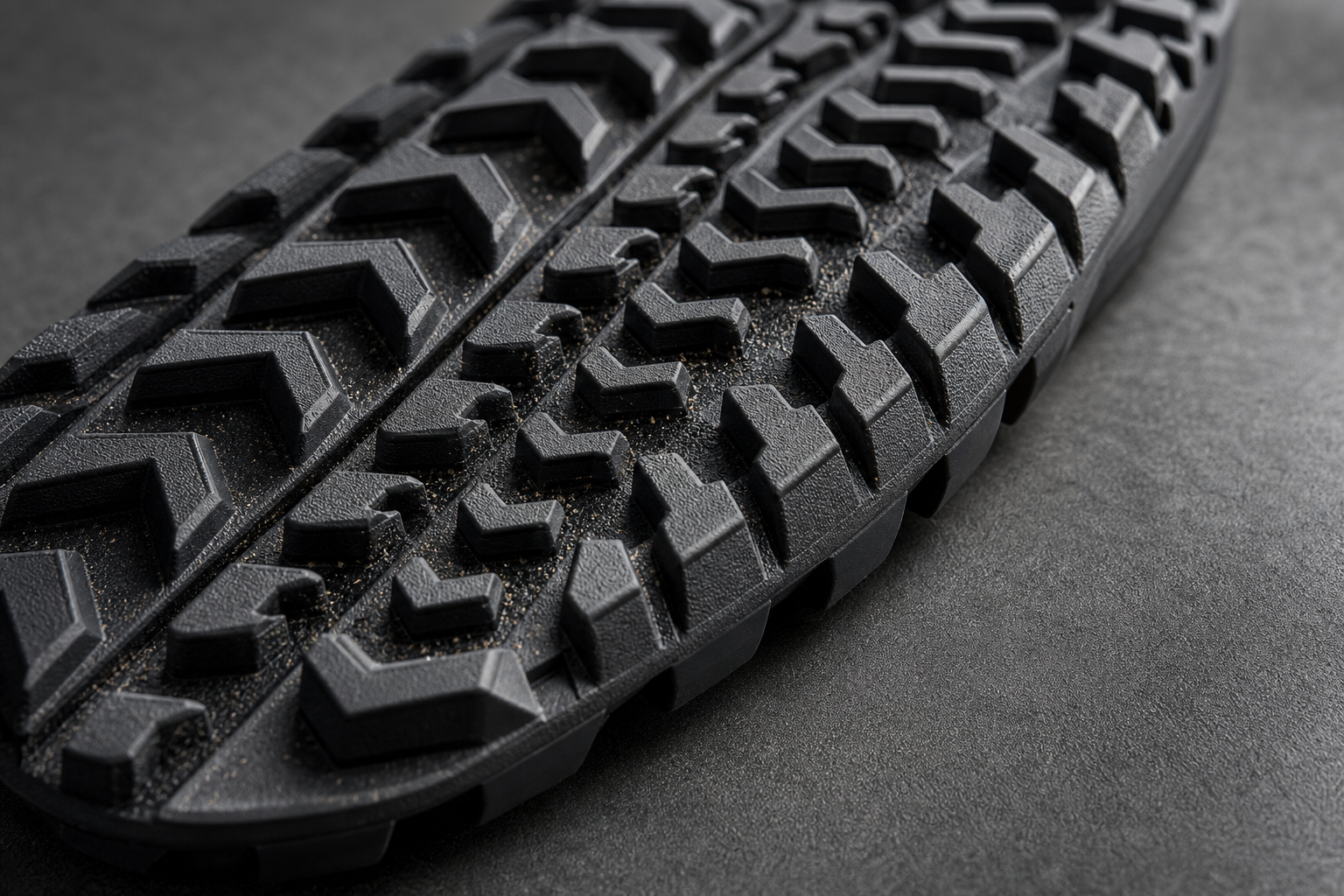
Beyond compound, geometry protects thin soles. Shallow, directional lugs reduce the exposed surface area that abrasion attacks while still channeling water and biting into surfaces. A worn lug pattern on a thin sole often signals a design flaw, not just usage—the best thin-soled treads are engineered to wear evenly and slowly, extending the sole’s functional life.
Why This Matters for Your Brand
“Thin soles don’t last” is the objection that keeps skeptical customers from converting and drives returns among those who do. A sole that passes DIN abrasion, survives flex-fatigue testing, and proves itself in wear trials turns that objection into your strongest selling point: ground feel you can feel, durability you can verify. In a category where trust is everything, documented durability is a competitive moat.
We engineer and test abrasion-resistant thin soles in-house—compound tuning, zoned construction, and full DIN/Ross/wear-trial documentation on every program.